Old wiring does not fail overnight. It slips over years of heat, small overloads, and quick fixes that were good enough at the time. In Charlotte, many houses built before the 1990s still run on original circuits. That age brings real safety and reliability questions. A home might look fine while the wiring behind the drywall tells a different story.
Early warning signs owners tend to ignore
Most failures start as light annoyances. Lights dim when the microwave runs. Breakers trip on chilly mornings when space heaters plug in. Outlets feel warm. A faint buzzing comes from a switch. Plugs slip right out of outlets. These are not quirks. They are heat, wear, and poor connections doing their work.
A burning or fishy odor ranks as high risk. That smell often comes from melting plastic at a loose connection. Scorched outlet covers, discolored switches, and brittle cloth-insulated wires point to overheating. If a hand placed on a device shows noticeable warmth, stop using that outlet and call an electrical wiring repair service.
Why older Charlotte homes face unique wiring stress
Charlotte’s housing stock spans mill houses in NoDa, brick ranches in Madison Park and Montclaire, electrical wiring near me split-levels in University City, and historic homes in Dilworth and Plaza Midwood. Many of these homes were wired for a different lifestyle: fewer appliances, no EV chargers, window AC units at most, and far less electronics.
Several factors raise the risk:
- Aluminum branch wiring from late 1960s to mid-1970s can loosen and overheat at terminations, especially under today’s heavier loads. Cloth or rubber insulation dries out in attic heat, then cracks when touched, which exposes conductors. Older ungrounded two-prong circuits cannot safely serve modern electronics or kitchen and bath outlets near water. Fuse panels and small breaker panels lack room for needed circuits and AFCI/GFCI protection.
Moist summers also matter. Humidity in crawlspaces and attics speeds corrosion at splices and lugs. Pests chew insulation. All of that adds up to heat at connections and nuisance trips that get worse over time.
What “failing” actually looks like behind the walls
Failures usually start at terminations, not in the middle of a cable. A loose screw on an outlet, a backstabbed connection that lost tension, or a wire nut that was too small can arc under load. Arcing makes carbon, which raises resistance, which makes more heat. The cycle continues until the device fails or the breaker trips.
In kitchens with countertop appliances, the load governs everything. A toaster and coffee maker on the same 15-amp circuit can push a weak connection past its limit. In attics, heat degrades splices and old insulation, which weakens the jacket. In older bathrooms, no GFCI protection lets ground faults linger, which can shock.
A common repair call in Myers Park and Elizabeth: half the house loses power, but no breaker is tripped. That often points to an open neutral in a multi-device daisy chain. One bad backstab or failed wirenut can drop several rooms. It may take a trained electrical wireman an hour or two to trace and correct that single point of failure.
Safety devices old systems lack
Ground-fault protection in bathrooms, kitchens, garages, and outdoors saves lives. Many Charlotte homes still miss GFCIs in one or more of those locations. Arc-fault protection reduces fires caused by damaged cords or loose connections in living spaces and bedrooms. Old panels cannot accept AFCI/GFCI breakers or have limited slots, which leaves families unprotected.
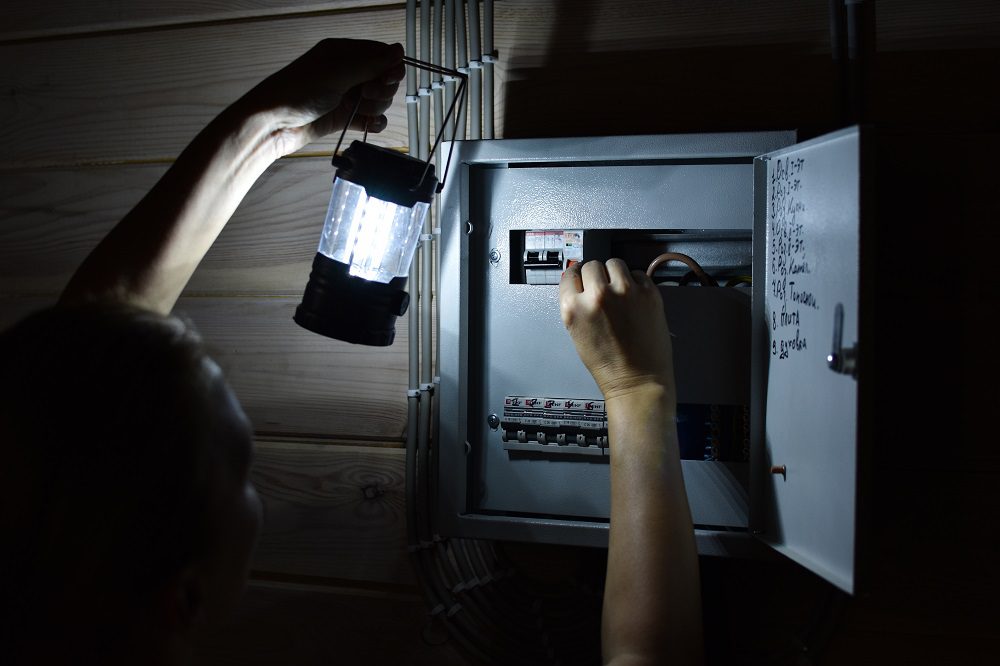
Upgrades that make the biggest impact include GFCI outlets in required zones, AFCI breakers for living and sleeping areas, whole-home surge protection, and added dedicated circuits for kitchen appliances and laundry.
Repair or rewire: how to decide
Not every home needs a full rewire. The decision comes down to condition, age, grounding, capacity, and how the home is used.
- Choose targeted repair if the wiring is copper, insulation is intact, the panel is in good shape, grounding exists, and the issues are isolated to a device, room, or specific circuit. Examples include replacing failed outlets, removing backstab connections, adding GFCI protection, or running a new dedicated line for a microwave. Consider partial rewire if key areas need modern protection or capacity. Kitchens, bathrooms, laundry rooms, and outdoor circuits top the list. A partial rewire might also replace aluminum branch circuits with copper using approved methods. Plan a full rewire when the home is ungrounded throughout, the insulation is brittle, aluminum branch wiring is widespread, or the panel is obsolete or unsafe. If renovations expose walls, that window is ideal for a full update.
Ewing Electric Co. evaluates the actual conditions instead of pushing one approach. A detailed load calculation, infrared scan of connections, and inspection of accessible wiring points to the right path.
What rewiring Charlotte NC typically involves
Rewiring is a project, but it does not need to disrupt daily life more than necessary. Expect a permit, an inspection, and a few key steps. A licensed crew maps existing circuits, plans new routes to satisfy code, and protects floors and furnishings with runners and plastic. They open small, strategic access points rather than tearing down long runs of drywall. They pull new copper cable, set new device boxes at correct heights, and label every circuit clearly at the new or upgraded panel. They install GFCI and AFCI protection as code requires and replace old switches and receptacles with tamper-resistant models.
In occupied homes in SouthPark, Steele Creek, and Ballantyne, many projects phase over several days. Power can remain on to most of the home while one group of circuits is updated. Patch and paint can follow right behind wiring work.
Electrical wiring Charlotte NC cost: what drives the price
Pricing varies with square footage, access, finish level, and panel capacity. A simple repair call to correct a failed outlet or loose neutral in an accessible box can fall in the low hundreds. Adding a dedicated 20-amp kitchen circuit or a laundry circuit often lands in the mid-hundreds to low four figures depending on distance and attic or crawlspace access.
Partial rewiring for kitchens, baths, and laundry in a typical 1,800–2,200 sq. ft. ranch in Montford or Starmount might range from a few thousand to the mid-thousands, especially if AFCI/GFCI breakers and a modest panel upgrade are included. A full residential electrical wiring Charlotte NC project on a 2,500–3,500 sq. ft. two-story home can reach five figures, with the spread shaped by drywall repairs, the number of dedicated circuits, and the need to replace or relocate the main service panel.
Homeowners can reduce cost by combining wiring updates with planned renovations. If walls are open for a kitchen remodel, running new home runs costs less than working in finished spaces. Clear attic and crawlspace access also lowers labor time.
What a proper electrical wiring repair service includes
Good service goes beyond swapping a part. A thorough visit checks line and load connections, verifies torque on terminals, tests GFCI/AFCI operation, confirms correct breaker sizes, and scans for heat with an infrared thermometer or camera. Devices get replaced with high-quality spec-grade outlets and switches, not bargain parts. Backstab connections are moved to screw terminals. Aluminum terminations get the correct antioxidant compound and rated devices or connectors.
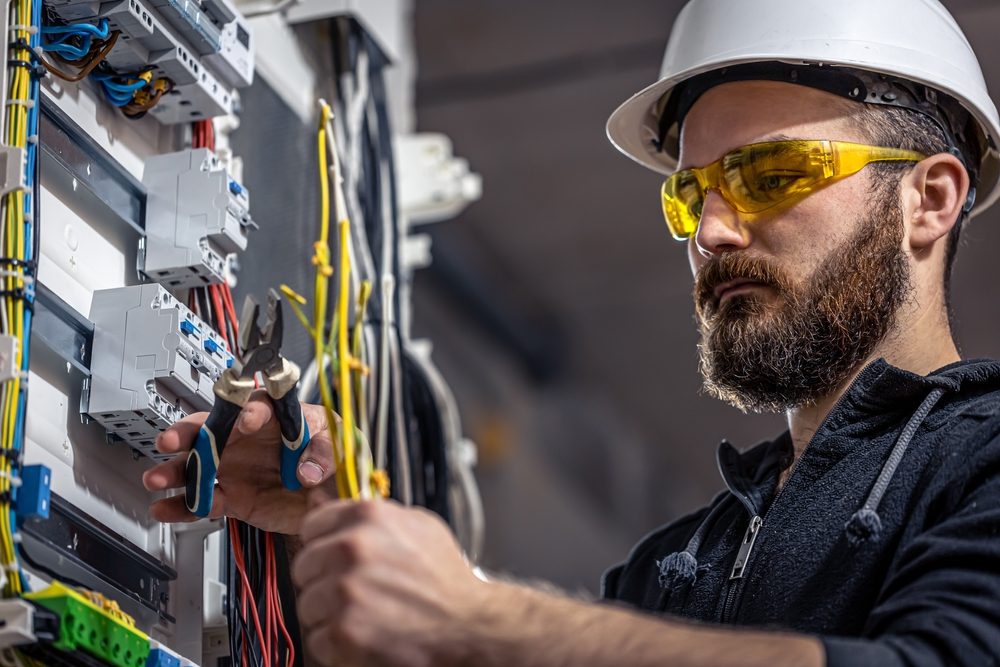
Documentation matters. The crew should label the panel, note any observed hazards, and outline next steps. If faulty work from the past shows up, such as hidden junctions in walls or unsupported splices, the technician should surface those findings and propose code-compliant corrections.
How Ewing Electric Co. approaches older homes
Older homes need respect for structure and finishes. Ewing Electric Co. serves neighborhoods across Charlotte and nearby towns, from Matthews and Mint Hill to Huntersville and Pineville. The team schedules work to minimize downtime, keeps work areas clean, and communicates in plain language. Homeowners receive a clear scope, line-item pricing, and options. If a homeowner searches for electrical wiring near me and calls Ewing, they get a technician who can solve a small problem on the spot and also explain whether the wiring deserves a broader plan.
A common scenario: a 1965 brick ranch in Cotswold with two-prong outlets and a mix of copper and aluminum circuits. Ewing replaces worn devices, installs GFCI protection in kitchen and bath, pigtails aluminum to copper with listed connectors at devices, and maps a phased plan to add grounding and replace remaining aluminum over time. The home becomes safer the same day, with a realistic path forward.

Simple homeowner checks before calling
- Test GFCI outlets by pressing the Test and Reset buttons. If they do not reset, stop using that circuit and call. Note where and when lights flicker. If it syncs with a device running, mention the device and circuit location. Feel suspect outlets and switches with the back of the hand. If warm, stop using and report it. Open the panel door and read breaker labels. If there are blanks or unclear labels, take a photo to share with the technician. Look in the attic near recessed lights for signs of heat or brittle insulation on cable jackets.
These quick observations help a technician diagnose faster, which reduces time on site and cost.
What to expect during a service visit
A licensed electrical wireman will start by listening. Clear notes about symptoms save time. The technician will check the panel, then work from the problem device outward, testing voltage, verifying neutrals and grounds, and loading the circuit to reproduce the issue. Many calls finish within one to three hours. If larger issues surface, the technician presents options the same day, including rewiring Charlotte NC estimates when appropriate.
Ready for safer, stronger wiring
Old wiring can work safely if it is in good shape and protected properly. It can also fail quietly until a loose connection turns into heat and carbon. Ewing Electric Co. provides electrical wiring services across Charlotte with practical solutions for real homes and real budgets. For an upfront estimate on electrical wiring Charlotte NC cost, or to schedule repair or a rewire consultation in Dilworth, Plaza Midwood, SouthPark, Ballantyne, University, or nearby suburbs, contact Ewing Electric Co. today. The team is ready to help with residential electrical wiring Charlotte NC, from small repairs to full modern updates that fit the way families live now.
Ewing Electric Co provides dependable residential and commercial electrical services in Charlotte, NC. Family-owned for over 35 years, we handle electrical panel upgrades, EV charger installation, generator installation, whole-home rewiring, and 24/7 emergency repairs. Our licensed electricians deliver code-compliant, energy-efficient solutions with honest pricing and careful workmanship. From quick home fixes to full commercial installations, we’re known for reliable service done right the first time. Proudly serving Charlotte, Matthews, Mint Hill, and nearby communities.
Ewing Electric Co
7316 Wallace Rd STE D
Charlotte,
NC
28212,
USA
Phone: (704) 804-3320
Website: https://ewingelectricco.com/ | Electric Company in Charlotte
Social: Facebook | Instagram | Twitter | LinkedIn | Yelp | Angi | BBB
Map: View on Google Maps